Vision
Stop renting your guests. Own them.
One guest record, fed by every booking, login, payment and review. That is the bet.














Table 12, Margarita ready. Tell the kitchen: nut allergy.
Table 12, Margarita ready. Tell the kitchen: nut allergy.
Powering 2,500+ UK venues






A stack that forgot.
Same guest, four tools, four strangers.
Before
4 tools · 4 strangers
- Four tools, each holding a slice of her
- Four names for one person, never matched
- Rented from tools that never meet
After
One record- One record, fed by everything she does
- One guest, known wherever she turns up
- Owned by the venue, not by the tools
Not the booking.Not the campaign.The guest.
Whoever holds the whole guest record does every other job better than a tool holding a fragment.
Three rules.
The platform is built around the record, not the modules.
Events, not syncs
Every guest action is published once. Every module listens.
The record is yours
Leave, and your guests leave with you.
One system
Anything that adds a second system to reconcile is a step back.
Foundations first.
Models improve on their own. Clean, connected guest data does not, so we built it first.
“Lapsed high spenders who came for the Christmas menu.”
The proof.
Operators running on Stampede, in their own numbers.
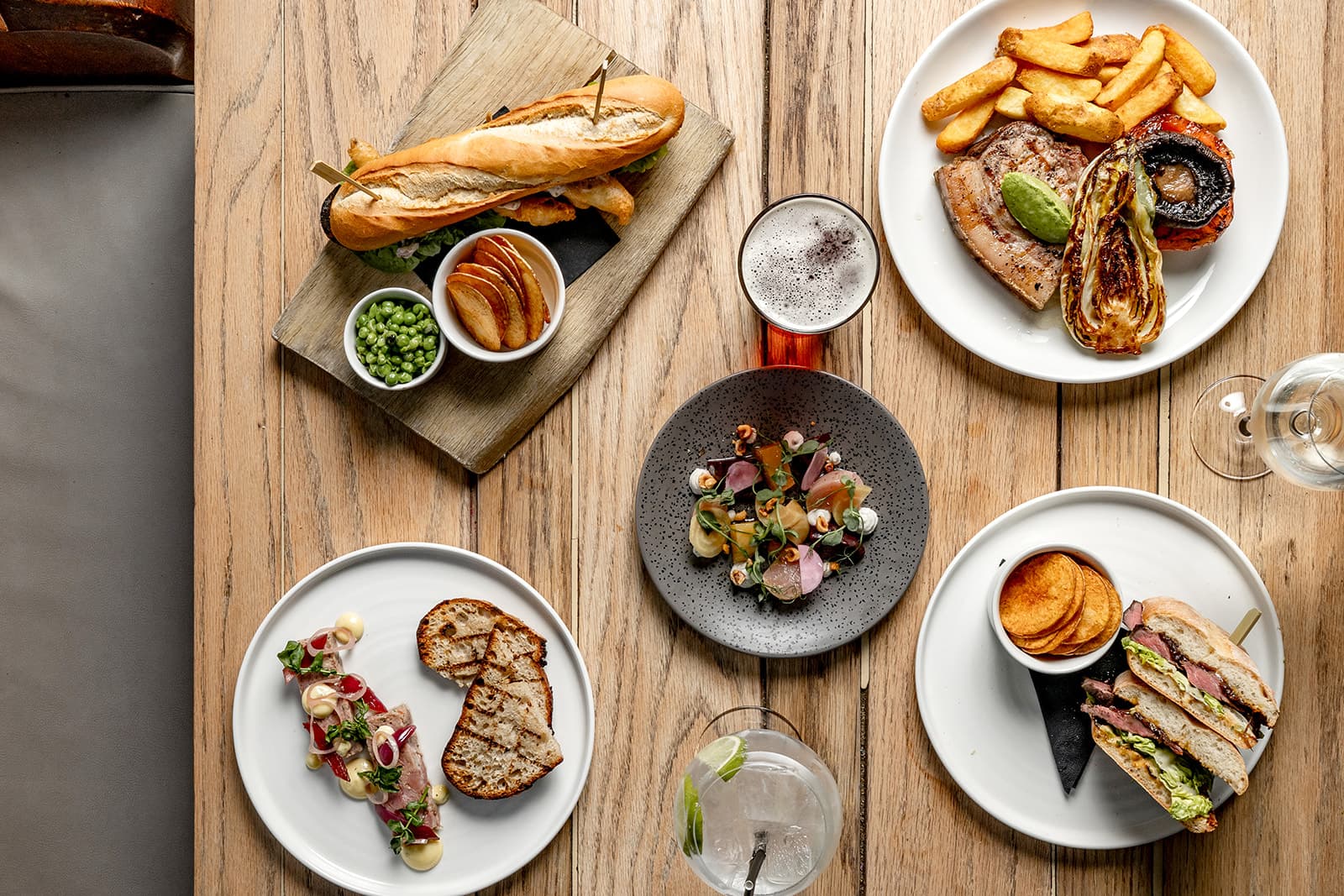

“Having everything under one roof is simply superior, full stop.”
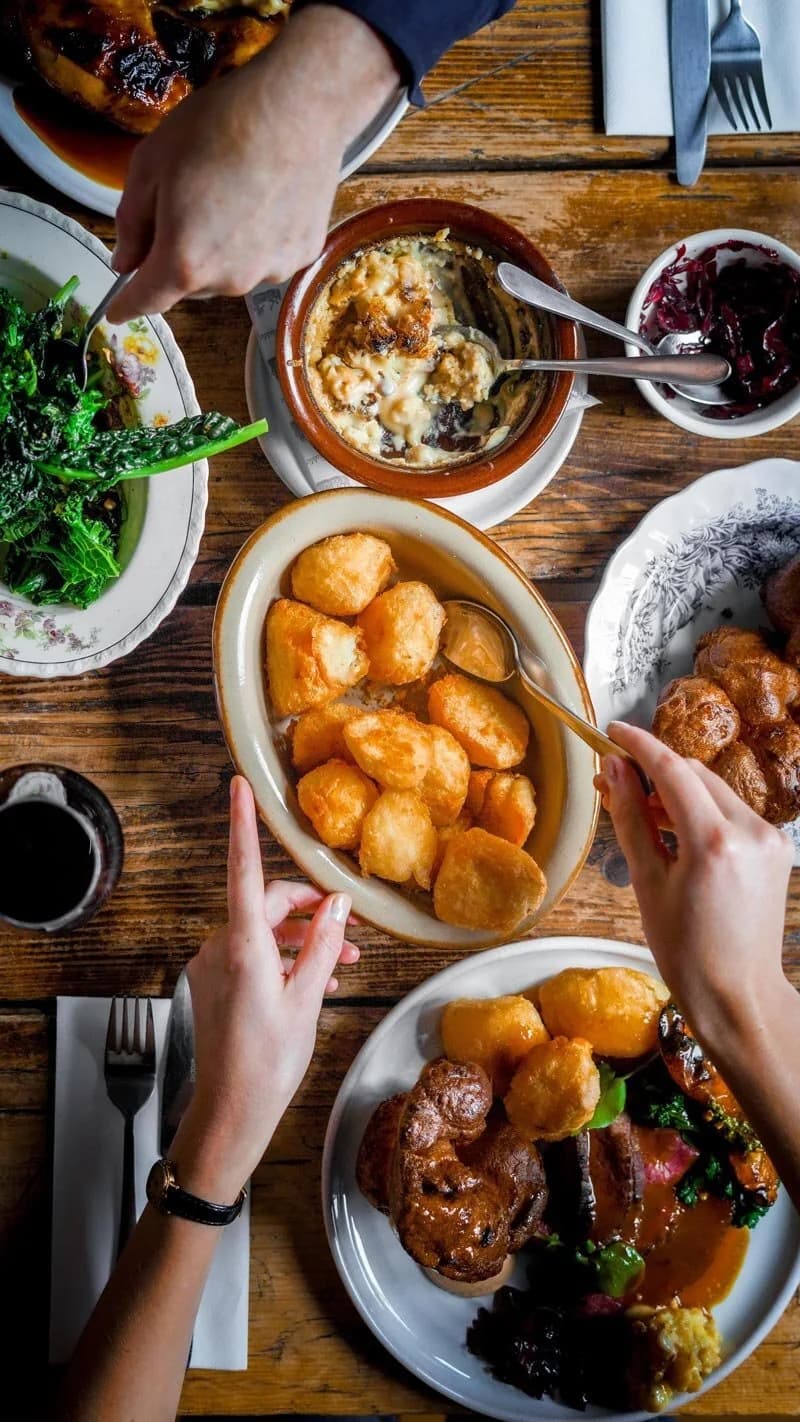

“You innovate at a rate I have never seen in a software company.”

“Every payment lands on the guest who made it now. Everything a guest does with us, online and in our venues, finally joins up in one view.”
- 89%
- Wi-Fi marketing opt-in rate
- 55p
- average value of a guest contact
- 2,500+
- UK venues run on Stampede
Is your system looking stale?
When did one of your tools last ship something new?
“You innovate at a rate I have never seen in a software company.”
- BookingsPre-order food with tickets13 Oct
- BookingsEnquiry-only events9 Oct
- MarketingTidier workflow triggers6 Oct
- AnalyticsAsk AI about a trading day4 Oct
- Payments3D floor plan view2 Oct